Experience that counts
Years of hands-on insulation experience help us understand your needs and find the right approach for your project.
Experience that makes a difference. Insulation work backed by decades in the industry and pride in every project.
Let’s talk about your project Main: (727) 638-9849Every project is different. We bring years of insulation experience and a straightforward commitment to quality, with the care your project deserves.
Years of hands-on insulation experience help us understand your needs and find the right approach for your project.
Since day one, Allen Insulation has been built on quality workmanship and pride in a job done well.
Experience across all types of projects means we can help you think through your insulation needs and next steps.
You work hard to cool your home. The right insulation and air sealing help protect that conditioned air and keep Florida’s heat from working its way inside. The best choice starts with your house—not a one-size-fits-all product.
A soft, expanding spray foam that fills cavities and can seal air leaks at the product’s required thickness.
Slows heat transfer and helps reduce drafts. It needs more thickness than closed-cell foam for the same insulation value.
Closing unwanted air paths can help limit dust and outdoor pollutants entering through those gaps. Pair that tighter shell with filtration and planned fresh air.
The right fit: It lets water vapor pass through, so roof design, humidity, and the assembly’s ability to dry matter.
A denser, rigid spray foam that insulates and seals air leaks at the specified thickness, with greater resistance to water vapor.
More insulation value per inch makes it useful in limited space while helping protect your conditioned air.
It can help close pathways for unwanted outdoor air. It doesn’t filter the air or replace a ventilation plan.
The right fit: Its moisture resistance and reduced drying must suit the wall or roof assembly. It isn’t a fix for a leak.
Fine glass fibers, available as batts or blown-in insulation, trap pockets of air to slow the movement of heat.
Proper depth and even coverage help keep rooms comfortable. Gaps or compressed batts can leave performance on the table.
Fiberglass alone doesn’t stop air leaks or clean indoor air. With separate air sealing, proper containment, filtration, and ventilation, it can be part of a comfortable home with better-controlled air quality.
The right fit: A practical option for many attics and wall cavities, with an air barrier and moisture plan suited to the space.
Less wasted heating and cooling can mean a little more stays in your pocket—and less energy use is a step in the right direction for the environment.
Not every material belongs in every home—or in every part of the same home. Existing insulation, roof construction, moisture, and your heating and cooling system all help determine the right approach. Careful installation matters just as much as the material. Spray foam also needs proper curing, ventilation, and manufacturer-directed re-entry times.
ACH means air changes per hour: how much air moves into and out of your home compared with its indoor air volume. Air sealing can reduce uncontrolled air exchange, so less conditioned air slips away.
A blower-door test measures leakage as ACH50 under test pressure. A lower result means a tighter home under those same conditions—not a measurement of everyday fresh-air delivery. Before-and-after testing helps show what changed; there’s no single promised ACH reduction for every job.
Tightening an existing home can reduce the fresh air it used to get through leaks. A retrofit may require added mechanical ventilation, and an energy recovery ventilator (ERV) may be the right solution.
An ERV brings outdoor air in and sends stale air out while transferring some heat and moisture between the air streams, reducing the energy penalty of ventilation. It supports indoor air quality as part of a plan that protects the health and integrity of the home.
A tighter home needs a plan for fresh air and moisture control. Depending on your home, that may include an ERV, a dehumidifier, or both.
They do different jobs: an ERV exchanges indoor and outdoor air while recovering some heat and moisture. A dehumidifier actively removes moisture; a standard unit does not bring in fresh air.
A sealed, spray-foamed attic in Florida may need dedicated dehumidification when its existing conditioning does not adequately control moisture. An ERV is not a substitute for a dehumidifier, and neither is automatically needed just because spray foam was installed. The right setup depends on measured humidity, air leakage, ventilation needs, and how the home and attic are conditioned.
The goal is simple: protect your conditioned air while giving moisture a way out and your home the fresh air it needs. A qualified assessment helps put that plan together.
Protecting the air you’ve paid to condition means less energy wasted. Whether you’re building from the ground up or improving the home you love, thoughtful insulation is an investment in your home—and in using our energy resources more carefully.
A new build is your chance to get the details right before the walls close up. Planning insulation, air sealing, windows, and ventilation together helps create a comfortable home with lower heating and cooling needs than a less efficient design.
Slowing heat flow and limiting unwanted air leakage reduces the work needed to maintain your indoor temperature. With proper load calculations, your HVAC designer can match equipment to the finished home’s needs instead of guessing.
Getting the thermal envelope right during construction can avoid the expense and disruption of opening finished spaces later. The payoff is everyday comfort and the opportunity for lower operating costs over the years you live there.
If your existing home has thin insulation, uneven coverage, or air leaks, an upgrade can tackle energy waste you’re already paying for. Start with the areas that need attention, rather than assuming every home needs the same material or amount.
Adding the right insulation and sealing leaks can help keep summer heat out and conditioned air inside. That can reduce heating and cooling energy use while making stubborn hot or cold rooms more comfortable.
Existing conditions matter. An assessment can help prioritize useful improvements, address moisture issues, and account for any ventilation or dehumidification needed after air sealing. Include those costs when comparing the long-term value.
Using less energy can mean lower utility costs. Over time, those avoided costs can help offset the investment. Your payback depends on the project price, your home’s starting condition, energy rates, weather, and how you use your heating and cooling.
Reducing heating and cooling demand can also reduce emissions associated with the energy your home uses. It’s a practical way to invest in your home and the environment. Thoughtful material choices and a durable installation matter too—the full environmental picture includes manufacturing and installation, not just the energy saved afterward.
EPA estimates an average 15% reduction in heating and cooling costs from air sealing and adding insulation in key areas of typical existing U.S. homes. That is a national modeled estimate for combined improvements, not a Florida-specific figure, a new-construction estimate, or a guaranteed result for your project. See ENERGY STAR’s methodology.
We believe the right conversation starts with your home’s needs. There’s no one savings percentage or guaranteed payback that fits everyone.
A closer look at insulation in place, with a few simple ideas behind a more comfortable, efficient building.
Think of the thermal envelope as the boundary between the spaces you heat or cool and the outdoors or unconditioned areas. Walls, the roof or ceiling, floors, windows, and doors all play a part.
Insulation slows heat flow. Air sealing limits air moving through gaps. Keeping those layers connected helps protect the conditioned air you’re paying for.
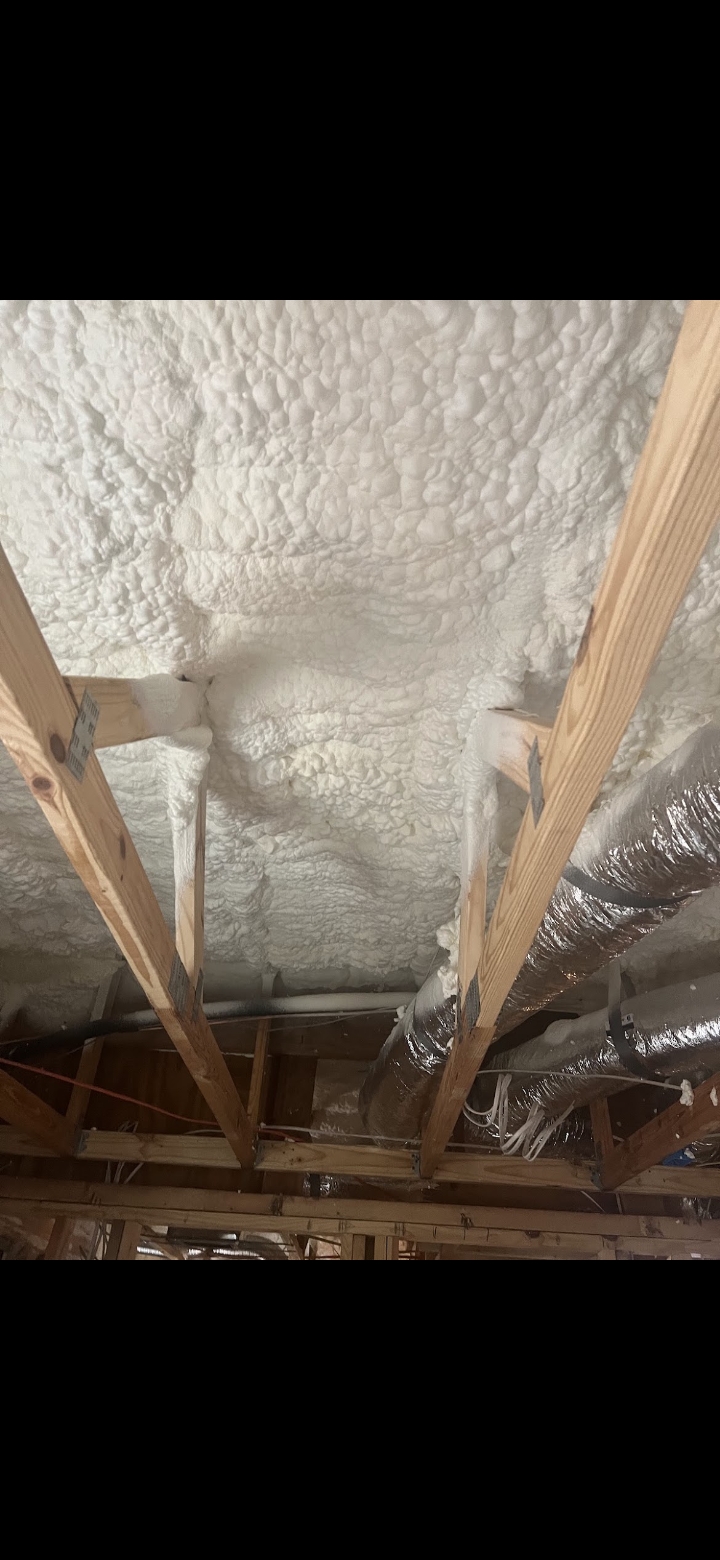
Corners, edges, and openings deserve just as much attention as the wide-open spaces. A good plan looks at the whole boundary.
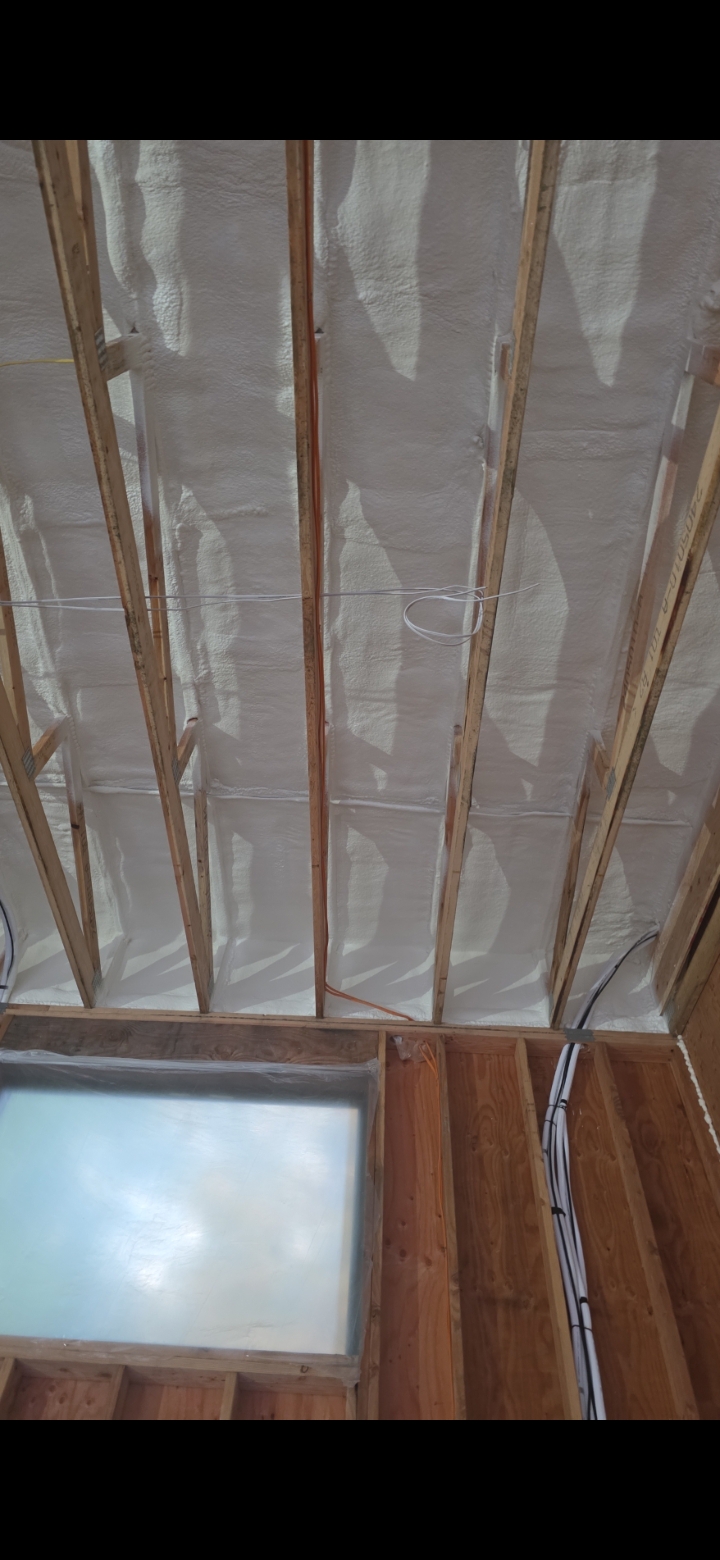
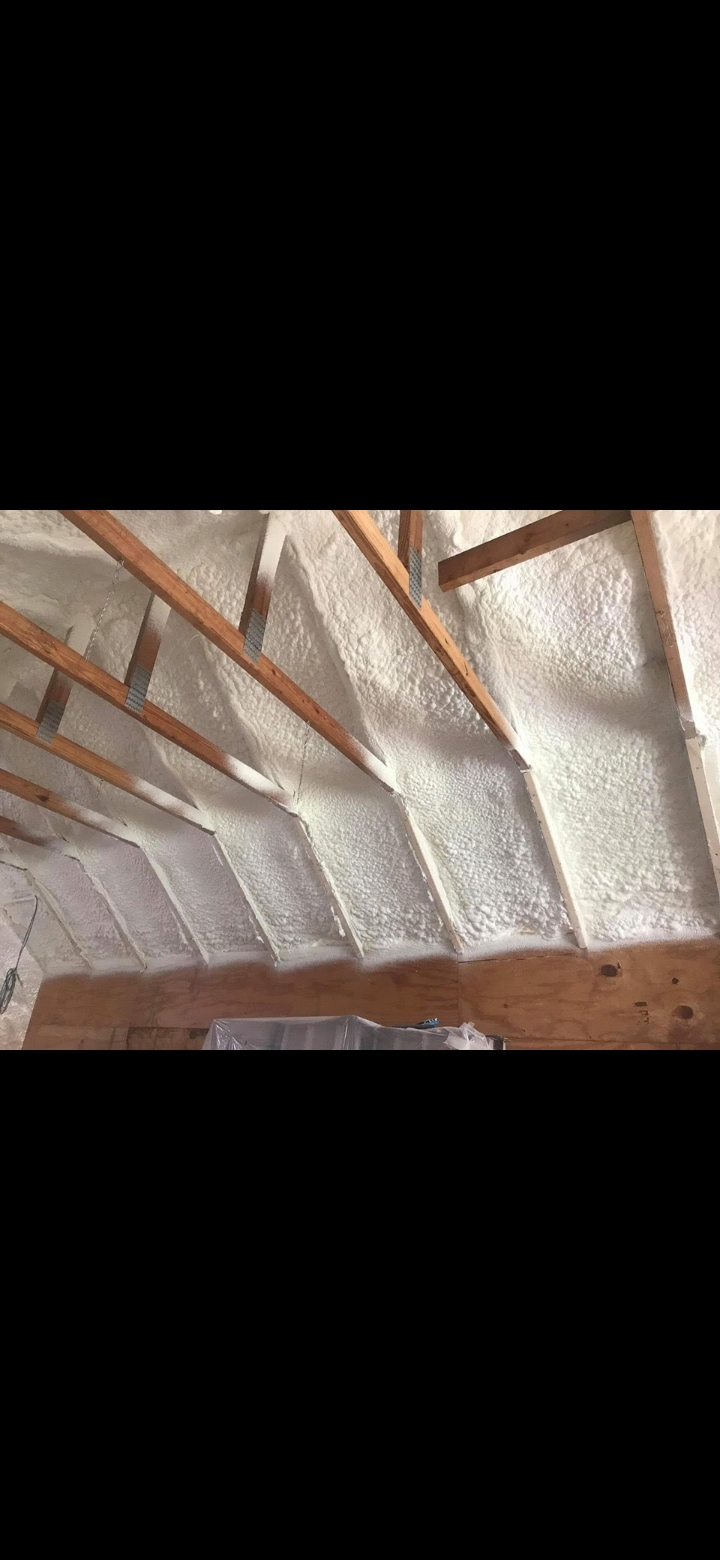
Florida sunshine puts your roof to work. Insulation at the roof deck can be part of a designed unvented attic, bringing the attic and its ductwork inside the home’s thermal boundary.
That can reduce the heat surrounding ducts, but duct sealing, humidity control, and ventilation still matter. Other homes are better suited to insulation at the attic floor with a vented roof space.
The roof’s moisture and drying strategy should guide the design. Foam type, thickness, and ventilation need to work together.
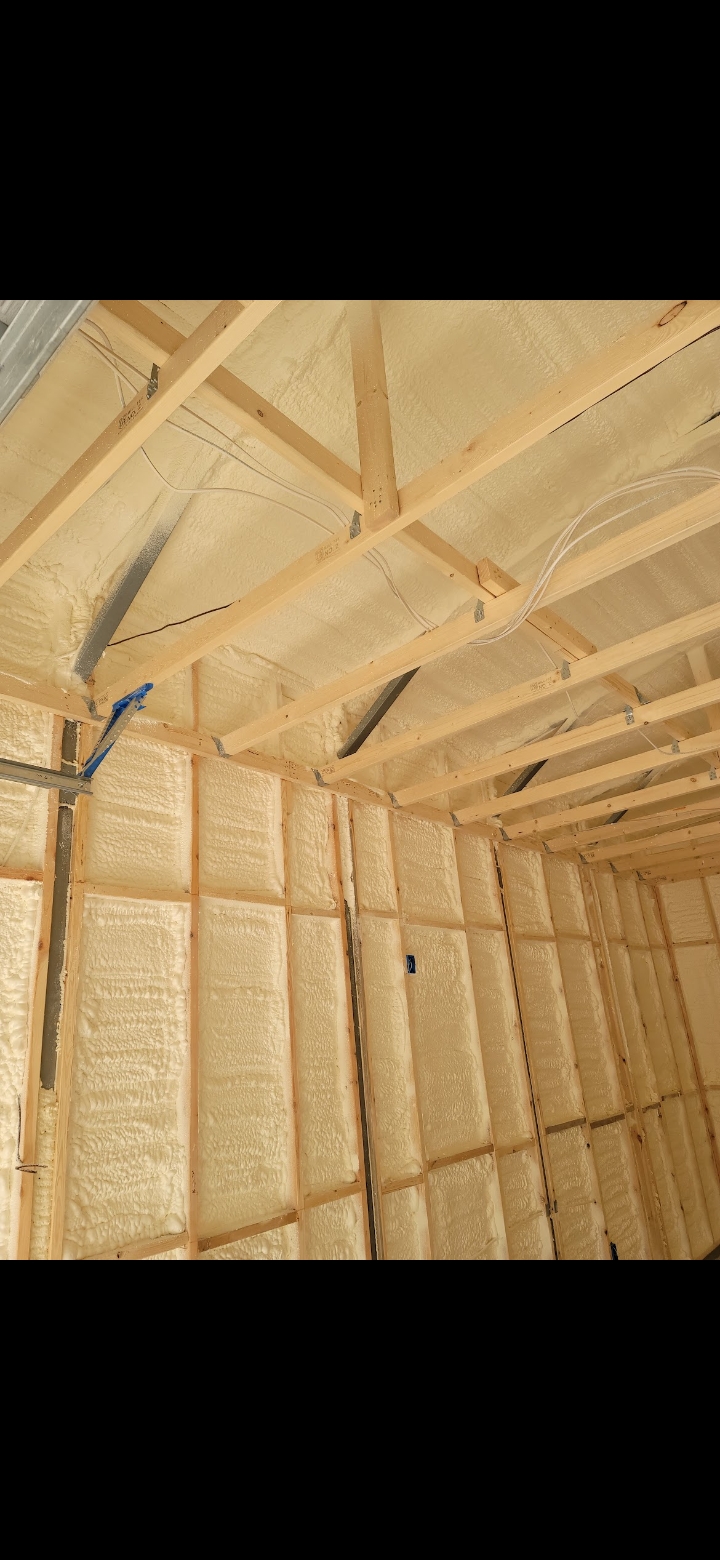
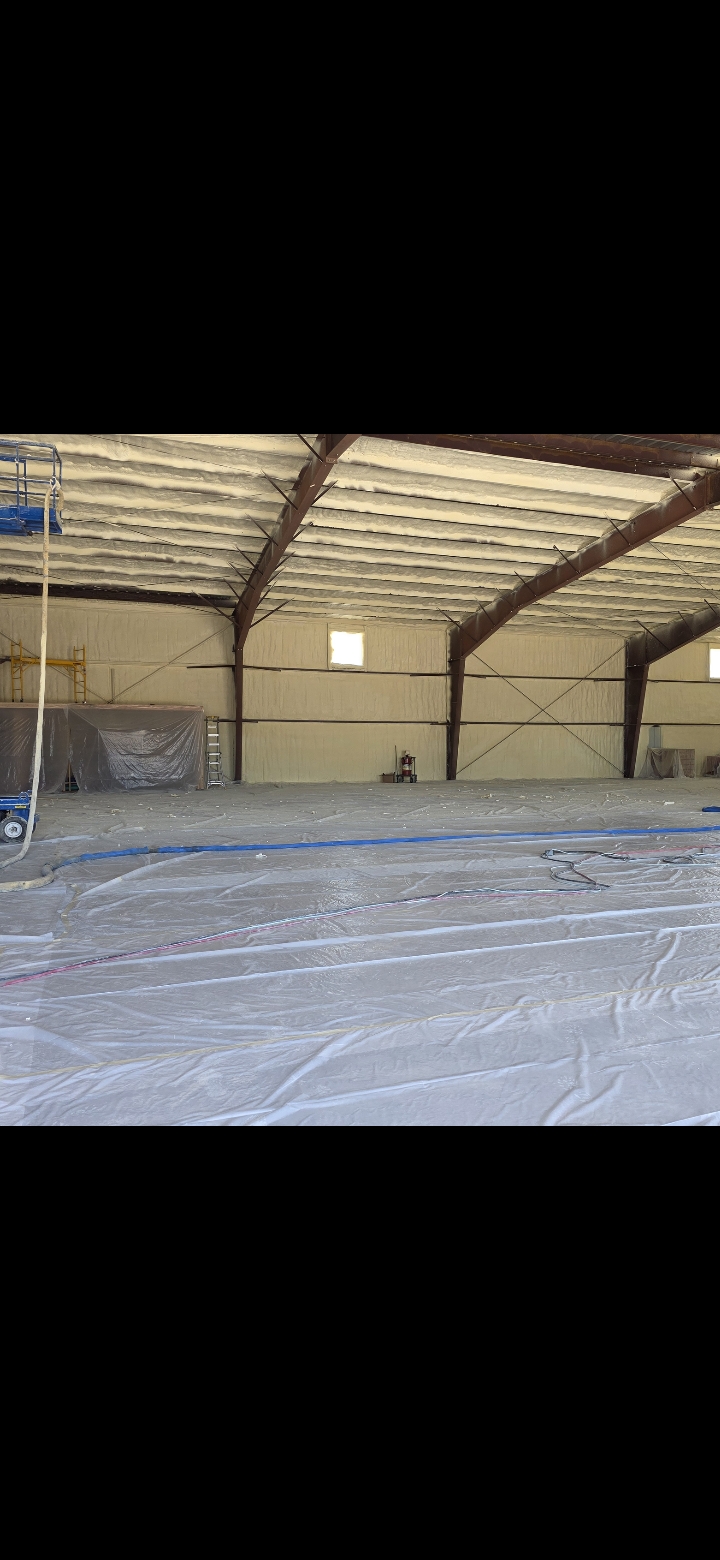
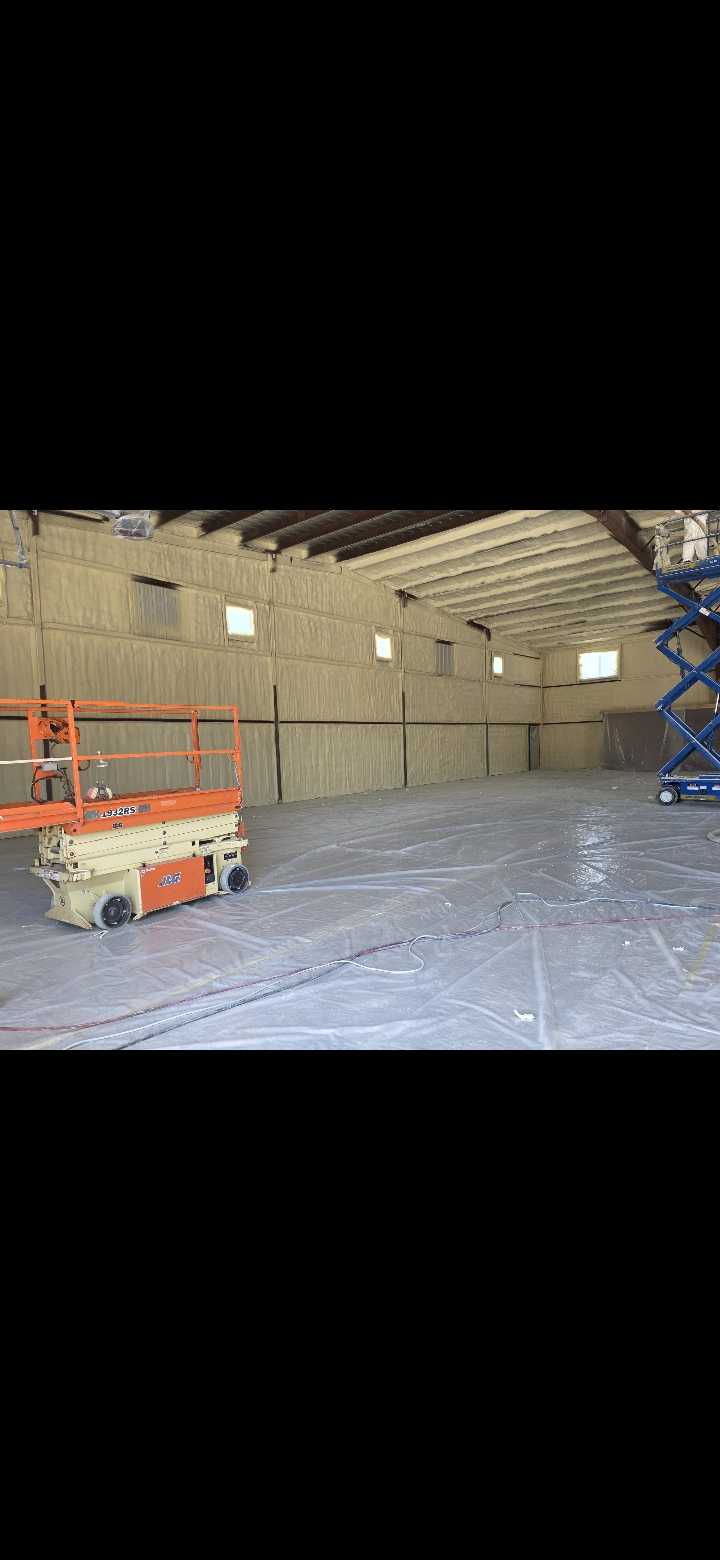
These larger spaces show why the roof and walls need to be considered together. Broad coverage helps slow heat flow, while joints and connections need an air-sealing plan of their own.
Metal framing moves heat readily. That path through the structure is called a thermal bridge. Insulating the spaces between framing doesn’t automatically eliminate it.
R-value describes resistance to heat flow. The performance of the whole building also depends on framing, coverage, air leakage, windows, and doors.
Project photos show work in progress. Material type, installed R-value, and tested air leakage aren’t determined from appearance alone. Explore insulation types and ventilation. Building-science background: Building America’s guide to the building envelope.
Franklin Allen began working in the insulation industry in 1999. After years of hands-on experience, he founded Allen Insulation in 2008 with a clear commitment: deliver quality work and take pride in every project.
That commitment continues to guide Allen Insulation today. Franklin’s experience spans all types of projects, giving him the knowledge and practical understanding to help with your insulation needs.
Based in Spring Hill, Florida, Allen Insulation brings experience, attention to detail, and pride in workmanship to every opportunity. Whatever your project, we’re ready to talk about how we can help.
Call our main number at (727) 638-9849, or our alternative number at (727) 215-9219. Tell us about your project, its location, and what you need help with so we can discuss the next steps.
Franklin has experience working on all types of insulation projects. Give us a call to discuss your specific needs and how Allen Insulation can help.
Allen Insulation is based in Spring Hill, Florida. Call with your project’s location to confirm availability in your area.
Experienced hands. Quality workmanship. A conversation away.